
What is the difference between Arabica and Robusta?
Briefly Explained: Arabica and Robusta at a Glance
Arabica vs Robusta in 30 seconds: Arabica thrives predominantly in highlands and grows slower, which often brings more complexity, sweetness, and fruity nuances. Robusta originates from lower, warmer altitudes, is more resilient, and delivers a strong body, earthy-chocolatey notes, and more caffeine. The decisive difference between Arabica and Robusta is thus evident in growing altitude, climate resilience, aroma profile, and texture in the cup.
Cultivation & Conditions: Altitude, Climate, Resilience
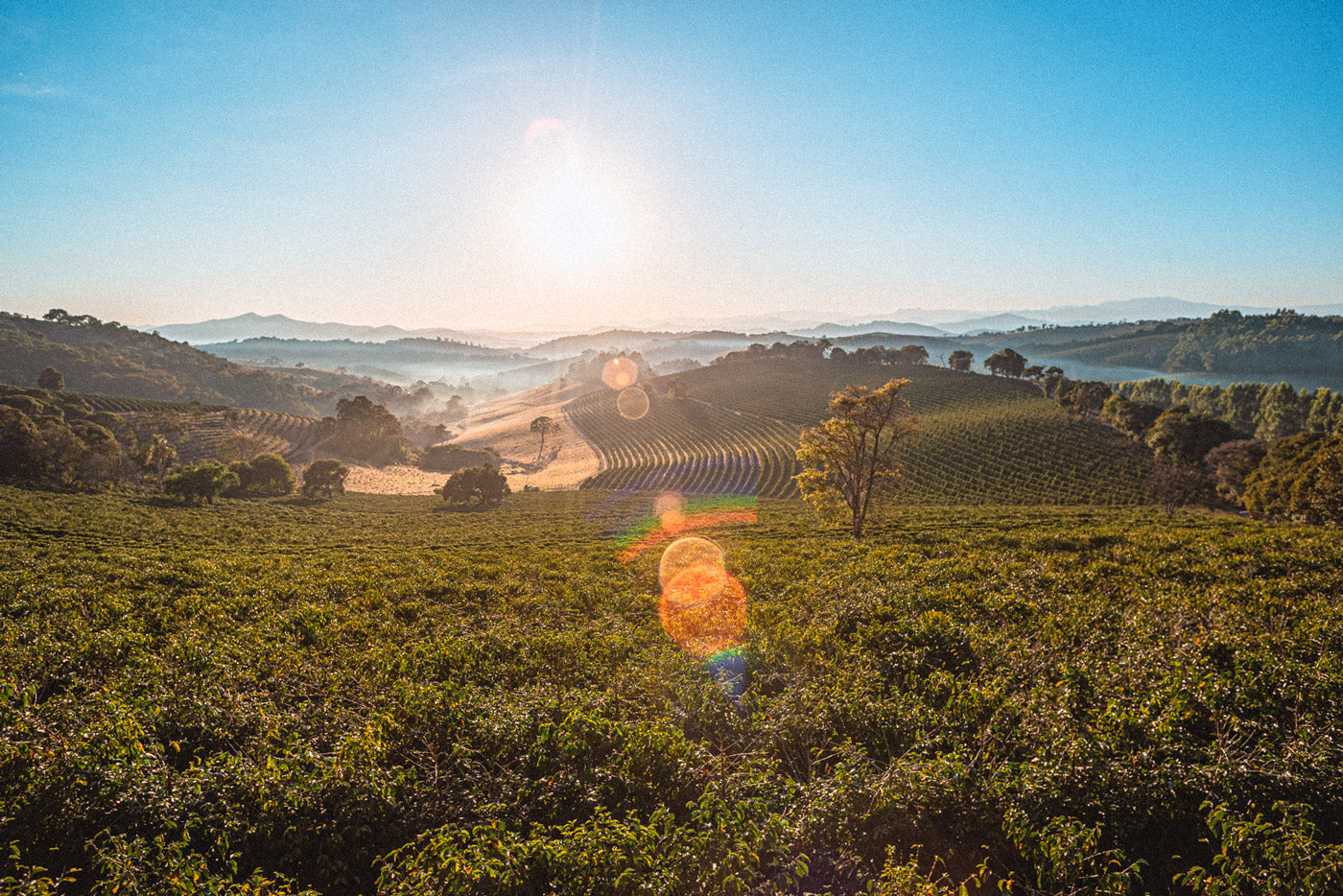
Arabica: Highlands above 1,000 m, slower growth, more complexity
- Arabica growing altitude: mostly 1,000-2,000+ m; cooler nights, slower ripening.
- Result: denser beans, finer acidity, more complex aromas.
- More sensitive to heat, pests, and climate stress.
Robusta: Lower altitudes, warmer, more pest-resistant
- Robusta cultivation: 0-900 m, higher temperatures and humidity.
- Very resistant to diseases; higher yields possible.
- Taste tends to be stronger, more bitter, with a full body.
Taste & Aroma Profile: Fruit Notes, Body, Bitterness
- Arabica: often fruity, floral, citrus to berry; sweeter clarity.
- Robusta: chocolatey, nutty, malty, earthy; distinct aftertaste.
- Body: Robusta heavier; Arabica more elegant.
- Bitterness: more pronounced in Robusta, more moderate in Arabica.
Caffeine, Acidity & Crema: What truly changes in the cup
- Caffeine: Robusta caffeine significantly higher; Arabica caffeine lower.
- Acidity: Arabica more vibrant and finer; Robusta more subdued.
- Crema: Robusta crema usually more abundant - popular in espresso blends.
Quality instead of "better/worse": Processing, Harvest, Sorting
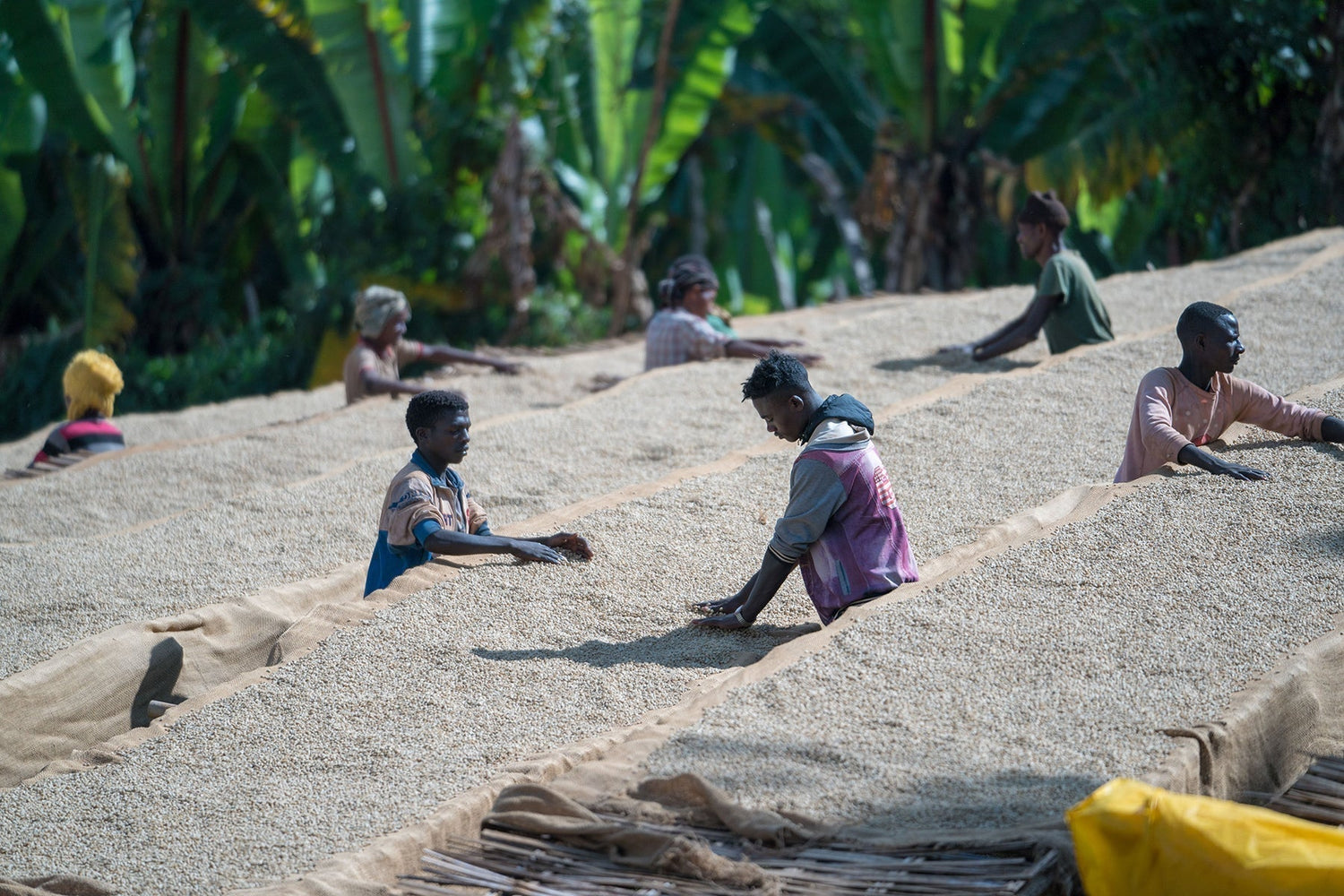
Quality is created in the field: ripe harvest, clean processing (washed, natural, honey), and precise sorting. An excellently processed Robusta can be more convincing than an average Arabica - species is just one factor.
Specialty Perspective: When Robusta makes sense (e.g., India/Hoysala)
Specialty Robusta from India - such as Hoysala Robusta - shows how well-processed Canephora delivers structure, sweetness, and depth. In blends, it supports body and crema, purely it offers clear chocolate and nutty profiles without harsh notes.
Buyer's Guide: Which bean is suitable for espresso, filter, milk drinks?
- Pure espresso: light to medium Arabica for clarity; Arabica Robusta espresso blend for more punch and crema.
- Milk drinks: Arabica with a chocolatey profile or a blend with 10-30% Robusta for assertiveness.
- Filter/handbrew: high-quality highland Arabicas for fruit, sweetness, transparency.
- Cold Brew: chocolate-nutty Arabicas or cleanly processed Robusta for a rich body.
FAQ: Frequently Asked Questions about Arabica and Robusta
What is the most important difference between Arabica and Robusta?
Arabica typically grows in highlands above 1,000 m, grows slower, and often brings more fruit notes and complexity. Robusta tends to grow in lower, warmer altitudes, is more pest-resistant, and often tastes stronger and earthier.
Which bean has more caffeine: Arabica or Robusta?
Robusta generally has significantly more caffeine than Arabica. This can result in a stronger effect and often a more powerful, distinct cup.
Which bean is better for espresso with a lot of crema?
Robusta is often used for more crema and a strong body in espresso blends. High-quality Arabica can also produce excellent espresso, but often appears finer and more aromatic.
Why do some specialty roasters rely on high-quality Robusta?
Because well-processed Robusta can deliver exciting profiles (strong, chocolatey, nutty) and bring structure, crema, and intensity to blends. Origin, harvest, and processing are crucial - not just the species.
Further reading: Compare processing methods (washed vs. natural), check roast levels for your brew style, and try cuppings to sharpen your sensory vocabulary.