
What does "acidity" in coffee mean - is it the same as sour?
What "acidity" in coffee really means (and why it doesn't automatically taste "sour")
Acidity in coffee is a taste sensation like sweetness or bitterness - and often desirable in specialty coffee. It can evoke citrus, apple, or berries and feels lively. "Sour coffee" in the negative sense, however, is unbalanced and sharp.
This is a common misconception: Fruity aromas in coffee are often described as "acidity" but are not the same as a sour, unpleasant taste. A high-quality Ethiopian coffee can taste of citrus or berries - that is positive, lively acidity.
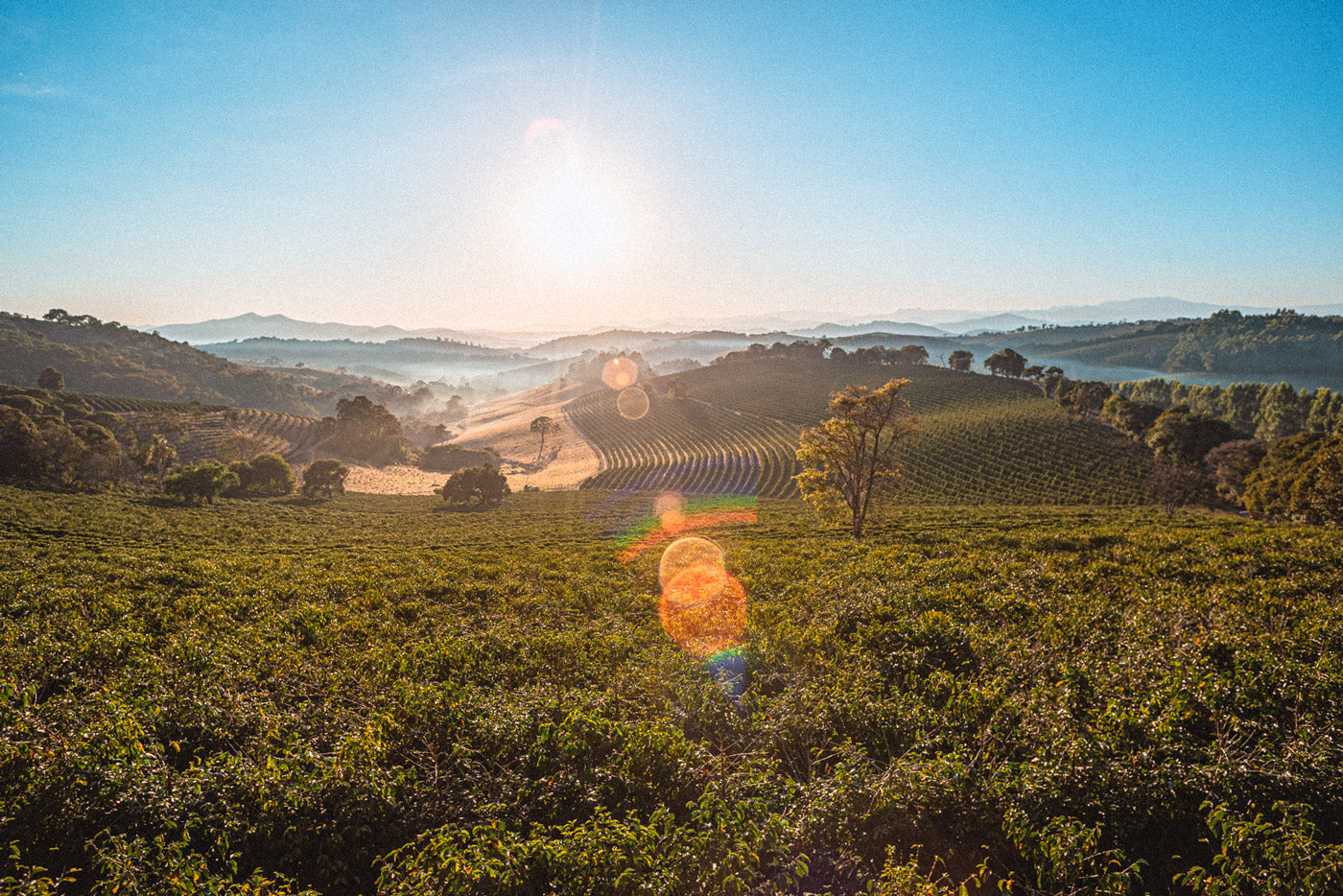
This fruity acidity in coffee is part of the terroir and the roasting process. An Ethiopian coffee flavor profile with citrus or berries is not a flaw, but intentional clarity.
Recognizing positive acidity: typical aroma profiles, origin, and processing
Ethiopia, Kenya & Co.: what notes "citrus", "berries", "apple" can mean
- Citrus: lemon, grapefruit - bright, zesty, tea-like.
- Berries: currant, blueberry - juicy, sweet-sour, often in Kenyan coffees.
- Apple/stone fruit: apple, peach - softer, rounder fruitiness.
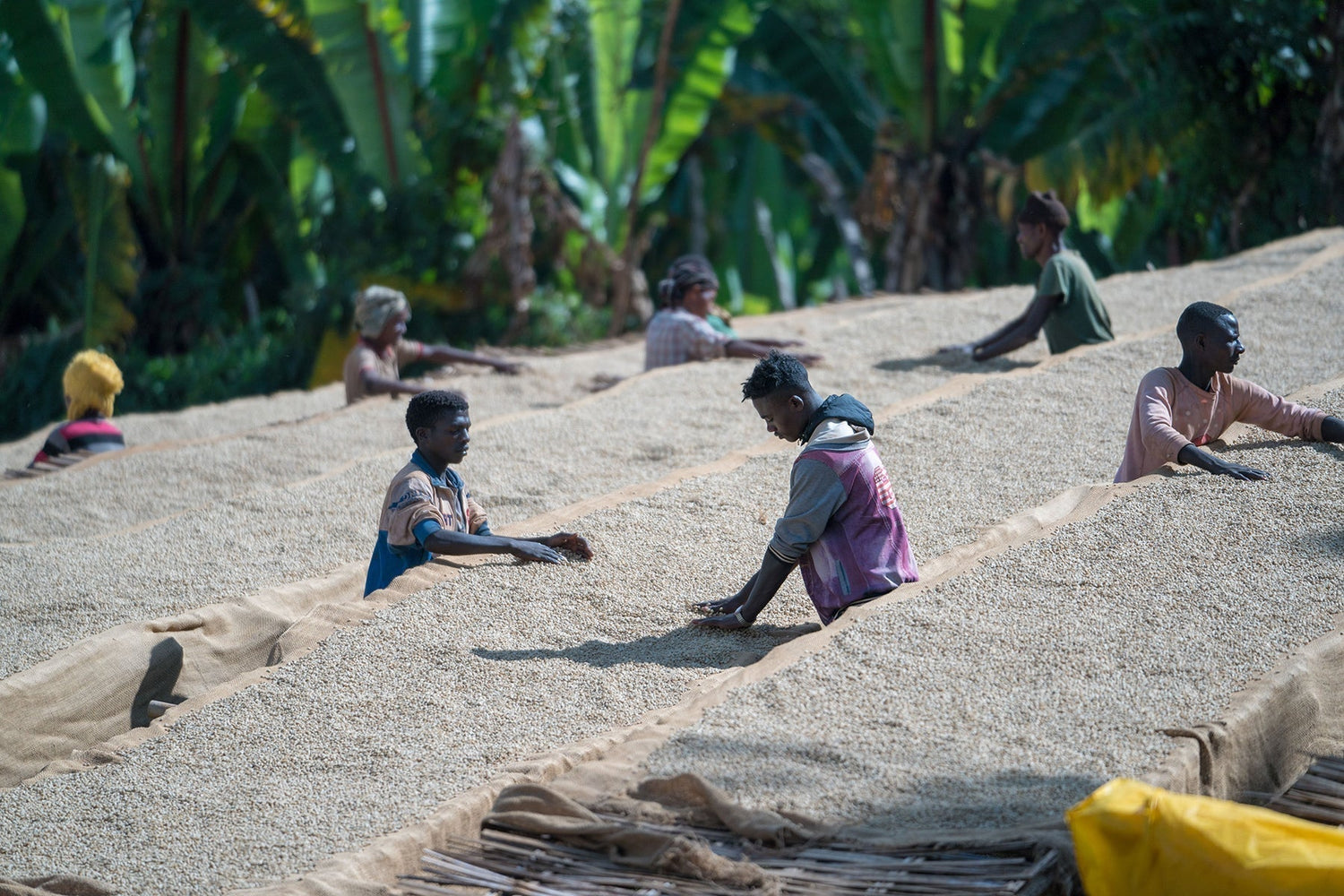
What Washed, Natural, and Honey processing do to perceived acidity
- Washed: clear, brilliant fruity acidity, high transparency.
- Natural: more sweetness, riper fruit, acidity seems softer.
- Honey: middle ground; texture and sweetness buffer the acidity.
Negative acidity: causes in preparation and bean quality
Negative acidity results from underextraction, incorrect water temperature, or poor bean quality.
- Underextraction coffee: too coarse, too short, too little contact time.
- Water temperature too low: acids dissolve, sweetness/bitterness are missing.
- Roasting errors/too light, underdeveloped roast, or old beans.
- Very soft or unbalanced water.
Diagnosis check: grind size, dose, time, temperature, water, and freshness
- Test finer grind and slightly longer brewing time.
- Aim for 92-96 °C (filter), 93-95 °C (espresso, if adjustable).
- Check dose/ratio; extract evenly, avoid channeling.
- Evaluate roast date, storage, roast-dependent acidity.
How to reduce unpleasant acidity (with specific adjustments)
Filter coffee: parameters for more balance (grind size, temperature, ratio, pouring)
- Slightly finer grind; target ratio 1:15-1:17.
- Water 92-96 °C; if "coffee tastes sour, what to do": go 1-2 °C higher.
- Even pouring in 2-3 phases, moderate turbulence.
- Mineral profile: not too soft; approx. 60-80 mg/l HCO₃⁻ as a starting point.
Espresso: avoid underextraction and reduce channeling
- Finer grind, 1:2 extraction in 25-30 s; slightly higher temperature.
- Careful distribution and tamping; fill basket appropriate to volume.
- If espresso is sour: check roast level, bean age, and water.
If you don't like fruitiness: choose appropriate roast levels and beans
If you don't like fruitiness: medium and dark roasts are the right choice.
Darker roasts dampen the fruity acidity in coffee and emphasize chocolate/nut. Suitable: Brazil, Colombia (classic), India, Sumatra. Keyword: consciously choose roast level acidity coffee.
Quick test & exercise: differentiating acidity vs. bitterness vs. "sour" in the cup
- Acidity: lively, juicy upfront/sideways; harmonizes with sweetness.
- Sour (negative): sharp, thin, "green" - sign of underextraction.
- Bitterness: back of the palate, dry/astringent - tends to be overextraction.
- Exercise: same bean, vary time/grind; note sensory impressions.
FAQ
- Is acidity in coffee the same as "sour"?
- No. Fruity aromas are often described as "acidity" (e.g., citrus or berries in high-quality Ethiopian coffee); this is positive, lively acidity. "Sour" in the negative sense is sharp and unbalanced and usually has preparation or quality reasons.
- What can I do if my espresso is sour?
- Grind finer, extend the extraction time within the appropriate range, slightly increase the brewing temperature (if possible), and pay attention to even tamping and distribution to avoid channeling. Also, check the roast level and bean freshness.
- Which beans are better if I don't like fruitiness?
- Choose medium to dark roasts with chocolatey/nutty profiles. These usually taste rounder and less fruit-forward; very light roasts and certain origins (e.g., East African coffees) can show significantly more lively acidity.
- How do I distinguish bitterness from negative acidity?
- Negative acidity tastes sharp, "unripe," and affects the front edges of the tongue; bitterness is more at the back of the palate, dry, and astringent. Both are often a sign of unbalanced extraction – sour usually too little, bitter usually too much.
Tip for further reading: Delve into water chemistry, extraction basics, and processing methods – this will help you understand why specialty coffee acidity is often positive and how to balance it in your daily routine.