Wildkaffee – Quality, Transparency and Craftsmanship
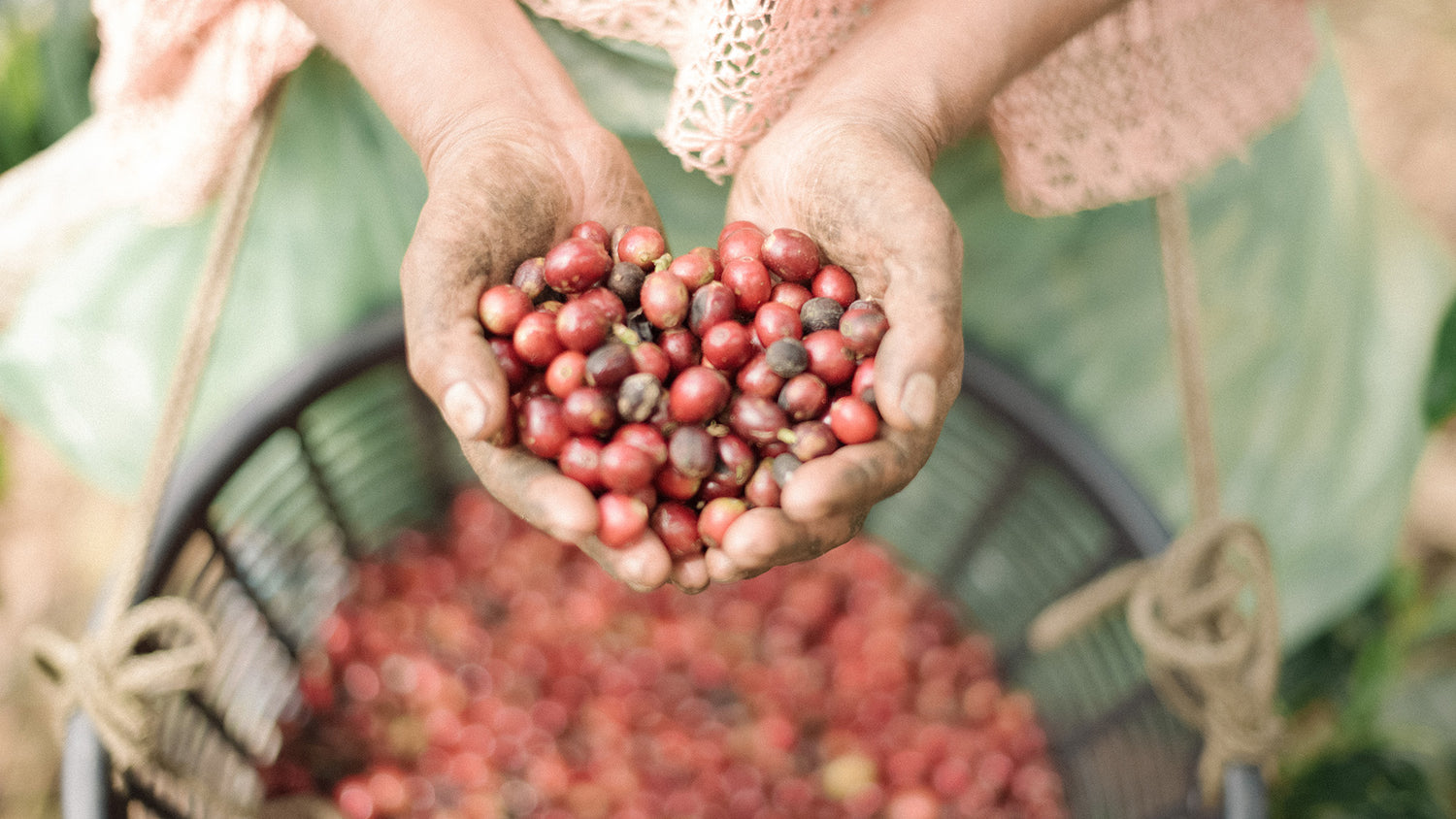
For over 13 years, the Wildkaffee brand has stood for direct green coffee purchasing, long-term relationships with producers, artisanal roasting and uncompromising quality. Based in Garmisch-Partenkirchen, our roastery sources its green coffee directly from partners around the globe – with a full focus on fairness, environmental awareness and taste. During our regular trips to our producers in their countries of origin, we not only get to know the green coffee producers personally, but can also inspect the working conditions on site. In recent years, this has led to lasting collaborations and even friendships. We have also helped to optimize the quality of the coffees produced. Higher or individually agreed purchasing prices can give our producers additional financial flexibility (Direct Trade ) to support their families and improve production.
The Philosophy: Direct Trade, Transparent Origin, High Quality
Wildkaffee relies on Direct Trade – that is, direct trade with coffee farmers. This eliminates intermediaries, which not only means fair prices for the producers, but also maximum traceability and quality assurance for consumers. We consider various aspects along the supply chain – from cultivation methods and transport to packaging. In our roastery, we reuse the packaging waste generated: Every box, every piece of filling material and the remains of the coffee roasting process find a use with us. The silver skins (which fall off the beans during roasting) are taken to the organic waste recycling plant in Garmisch-Partenkirchen , where biogas and energy are produced.
No Organic Certification
We are often asked why we do not sell organic coffee or why we are not Demeter certified or sell Fairtrade coffee. And the answer is as simple as it is complicated: it costs too much. For us as a roastery, the certification costs (which are incurred every year) would be manageable, but unfortunately, everyone else involved in the production of the green coffee must also be certified. And for many small coffee farmers, the costs of such certifications are quite high and often simply unaffordable. We ensure that we have verifiable information on cultivation methods, soil care and pest control, and we are in constant communication with our partners on this matter. Our individually agreed purchasing prices for many coffees are above the respective Fairtrade minimum price.
Social Projects in Coffee

We also actively support coffee farmers on site. With our social projects such as the Coffee School Project in El Salvador. El Salvador was known for its unique specialty coffee a few years ago. Due to crime, corruption, low prices and a coffee rust epidemic, the coffee market in El Salvador came to a standstill. In the Buenos Aires region, located directly at the Santa Ana volcano, we bought and rebuilt an abandoned coffee farm. We use this to offer local coffee farmers new perspectives. The project offers farmers comprehensive support regarding new techniques, high-yield cultivation, processing, and support with the sale of the harvest.
We have also created a shared processing facility to reduce costs for smaller farmers. Together with the entire farming community, our social project in coffee ensures that new varieties are grown and improved. This expands the farmers' portfolio, which secures them a major advantage in the thriving coffee market.
Artisanal Roasting for Maximum Flavor
The quality of our premium coffee does not end with purchasing top-quality green coffee. In our roastery in Garmisch-Partenkirchen, it is carefully roasted in a drum roaster – at low temperatures and over a longer period. This allows the precise development of the aromatic compounds and ensures that every bean can reach its full potential.
The artisanal roasting process takes ten to 20 minutes and uses temperatures of around 220 degrees. After roasting the coffee, the beans are placed in a special sieve, where they are cooled to the desired temperature within one minute. This step ensures that the planned roast level is actually achieved, because otherwise, even with artisanal coffee roasting, the beans could continue to roast – i.e., roast further.
Whether fruity filter coffee or strong espresso – at Wildkaffee, we know how to create an individual flavor profile for every bean through careful roast profiles.
Product Variety
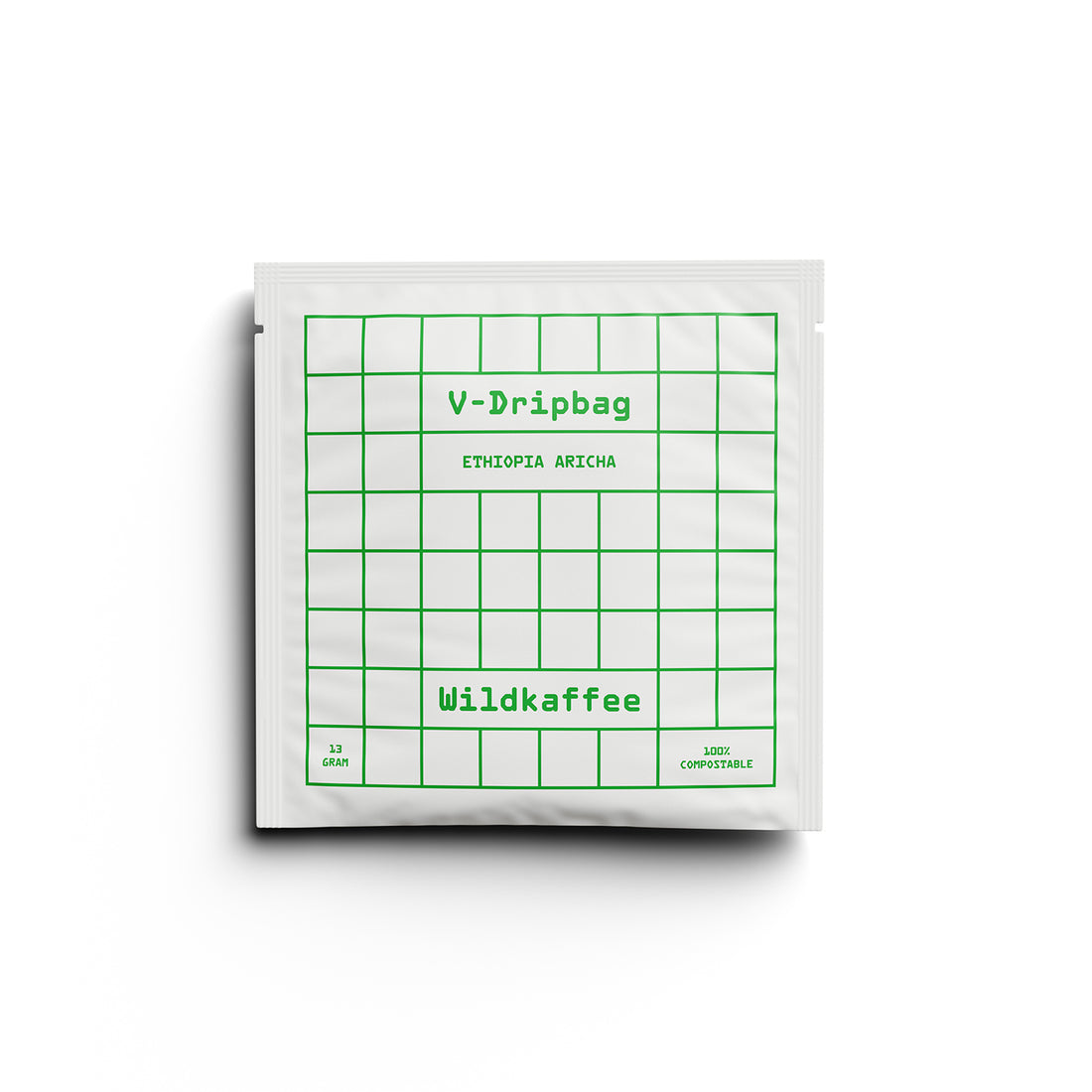
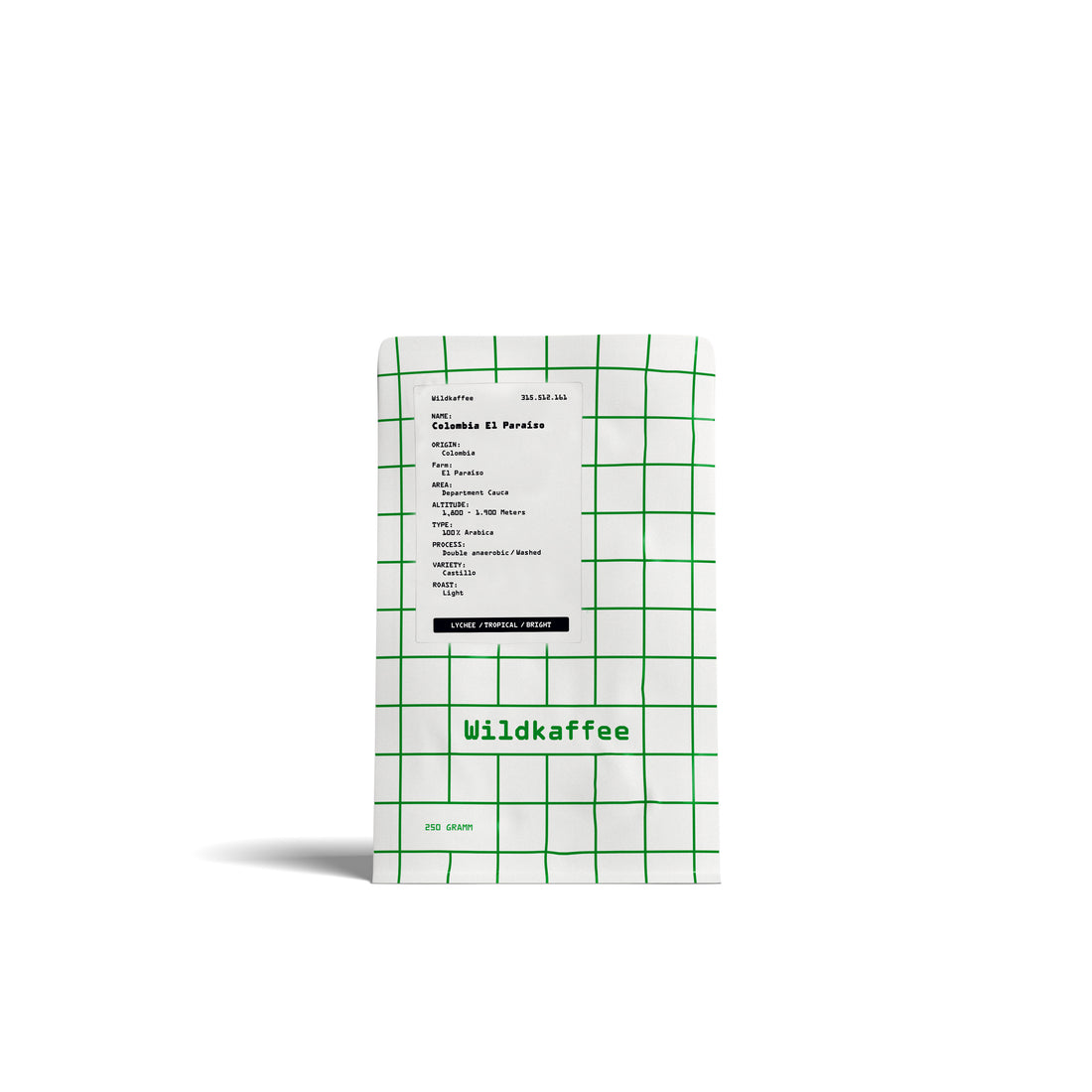
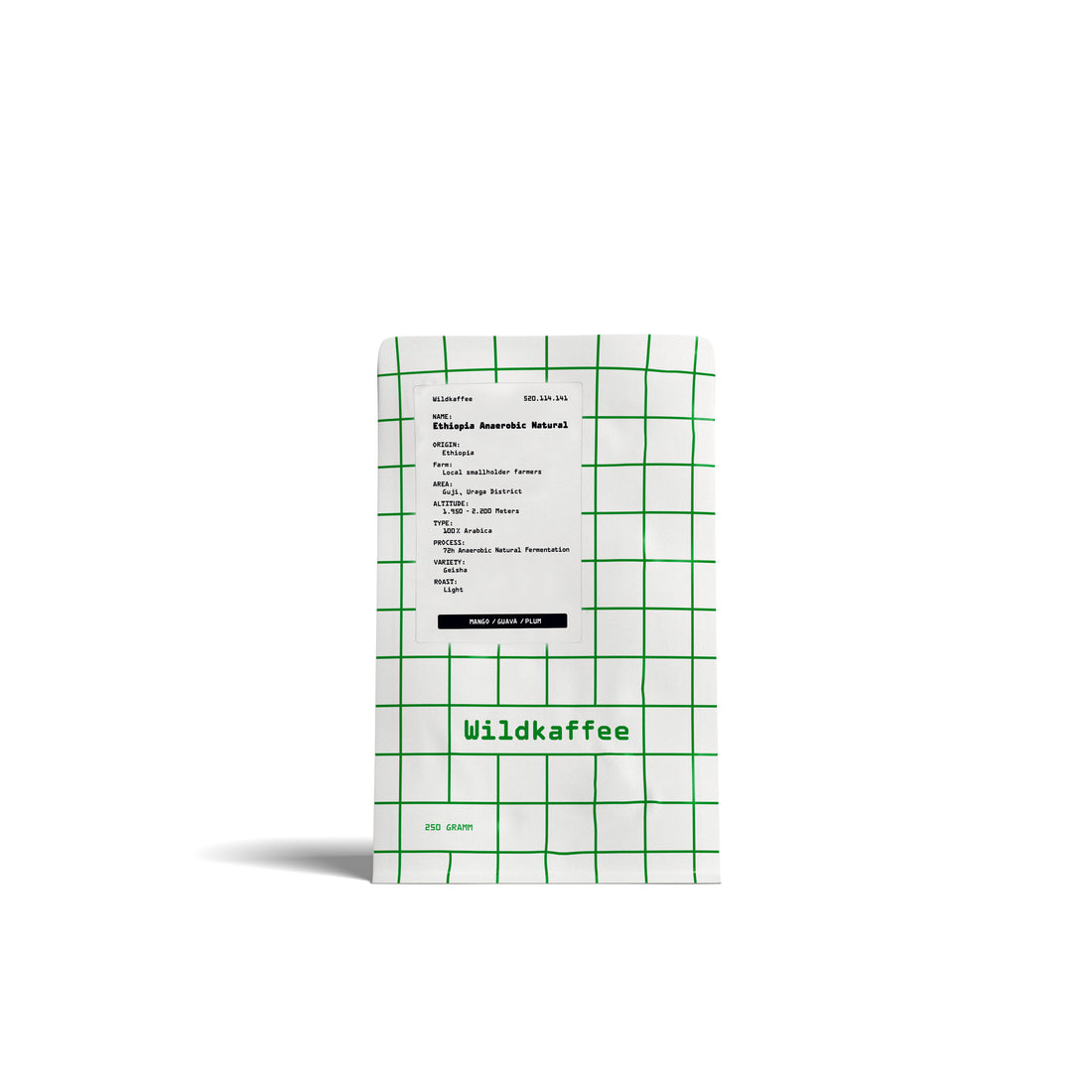
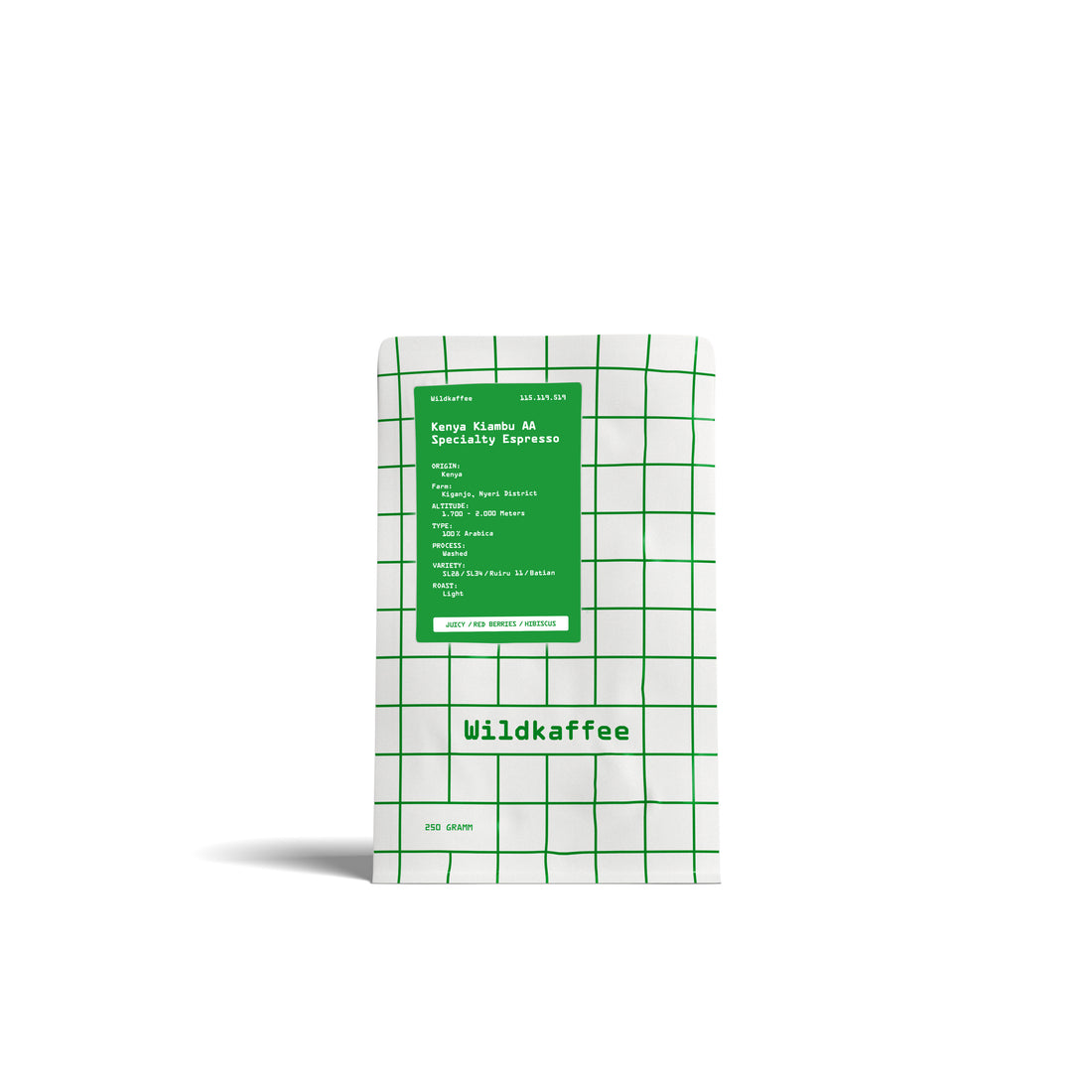
Wildkaffee's portfolio ranges from classic house blends to seasonal microlots – single-variety coffees with a special origin character. In addition to whole beans and ground coffee, we also offer Cold Brew from our partner 25GRAMS as well as barista accessories. You will find everything the coffee lover desires with us: medium roasts for all brewing methods, various espresso blends for the portafilter or Moka pot (or your favorite brewing method), as well as light-roasted specialty coffees for filter coffee preparation. We have also created something very special with the Brewers Cup Series: you can buy microlots that are usually only used by professionals at competitions. In other words, the crème de la crème of specialty coffees.

Transparency and Education
Another central concern of ours is to inspire people about coffee and to share knowledge. In our blog, on our social media accounts, or at tastings on site, we regularly share coffee knowledge at eye level – accessible, honest and well-founded. From the production of the green coffee to transport, roasting and brewing, you will learn everything you need to know about coffee.
Conclusion
Of course, there are many good roasteries out there. It is important to us that you have the best possible coffee in your cup. And that means to us that you know where the coffee comes from and who grew it, as well as knowing how the price for the respective coffee is composed and that it was subsequently carefully roasted by us. From the farm to the cup, we value quality, transparent origin and long-term cooperation. So that you can ultimately say: "Yes, that is a really great coffee."
And if social media and our blog have not answered all your questions, you can also write us an email, call us, or start a chat on our website. We are happy to help you and answer all your questions.